Meet Jesse
Childhood
On May 27, 1958, a man named Ernest Green and 600 graduates went up the stage of Little Rock, Arkansas’s Central High School to get their diploma. What was most fascinating about that image was that Ernest was the first black student to ever graduate in America. It was a magnificent achievement for those who fought for social inclusion.
Quietly, on the other side of the world in the Philippines, another man was born on the same day. This man would also fight for social inclusion intensely at a time when the tide of economic inequality was about to reach a tipping point. Jesse Manalastas Robredo was born in Naga City, Camarines Sur, on a Tuesday, to parents Jose Chan Robredo Sr. (Chinese Name: Lim Pay Co) and Marcelina Manalastas. His life was dedicated to fighting for the poor and marginalized, and empowering his country of 100 million people, more than a quarter of which were living in dire poverty.
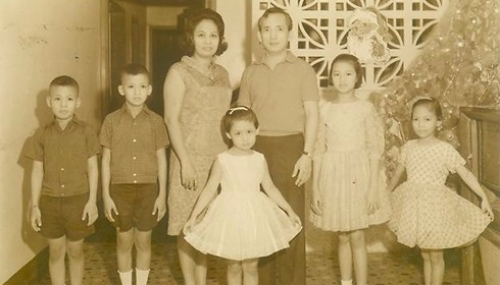
Jesse was the middle child of five children. He had one brother and three sisters: Jose "Butch" Robredo Jr., Jocelyn "Jo" Austria, Josephine "Penny" Bundoc, and Jean Tang. His parents were traders and built trawlers for a living. His father, Jose, was a principled man who valued integrity, discipline, education, compassion, simplicity, humility, and family. He had a very strong influence on the life of Jesse.
As his father grew older, Jesse watched him gradually lose his vision due to retinitis pigmentosa. This illness causes a gradual degeneration of photoreceptor cells in the retina. It is congenital and hereditary, and in fact, Jesse’s brother, Jose Jr., and sister, Jean, inherited the disease.
The blindness, however, only made the family stronger. Jesse, out of respect and loyalty to his father, made sure he performed well in school and went home early every day to help take care of his family. His father was determined to build a trawler himself despite his lack of vision, so his children would take turns reading the manual to him. Reading magazines, books, and the newspaper with their father became a family ritual that caused them to be very close-knit. His sister, Jean, operated the family’s store despite her disability. When he became Mayor of Naga City, one of the advocacies closest to his heart was defending and protecting the rights of the differently abled.
Jesse’s experiences during the 1986 EDSA Revolution convinced him that his calling was to serve the nation. He went back to Naga City and worked in an organization called the Bicol River Basin Development Program, where he met his future wife, Leni Robredo. He interviewed her himself, but gently chided her for bringing a recommendation from politician Luis Villafuerte. His point: he hires people based on their own merits. After chewing on what Jesse said for a bit, Leni went back to take examinations, and her essay talking about the EDSA Revolution passed Jesse’s standards with flying colors. Within a year, they were married. They have three children, Aika, Tricia, and Jillian.
Education
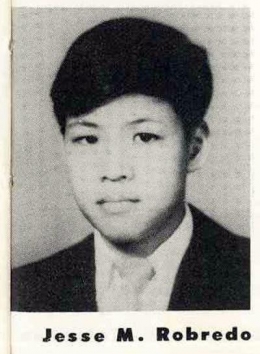
Jesse and his siblings studied in Filipino-Catholic schools because his parents wanted the family to be integrated well with the Filipino community. Jesse started his education at a small private school called Naga Parochial School. He went to Ateneo de Naga for high school and De La Salle University (DLSU) in Manila for his college degree, taking up Industrial Management and Mechanical Engineering. He also obtained two master’s degrees, one in Business Administration (Batch 1985) from the University of the Philippines and Masters of Public Administration (Batch 1999) from Harvard University’s John F. Kennedy School of Government. He was an Edward Mason Fellow under Harvard’s flagship international program. Harvard accepts only 80 leaders every year from developing, newly industrialized, and transitional countries for an intensive one-year master's program that will prepare them to solve the world’s most difficult development problems. After his Harvard schooling, Jesse came back to the Philippines to serve in government, truly doing what his one-year program prepared him to do.
Early Career
Jesse’s first job was at Carnation Phils., followed by a stint at the San Miguel Corporation under the Physical Distribution Technical Services department. He also held roles in the company under the finance and logistical divisions. Through his roles, he experienced being assigned to different locations, such as San Fernando, La Union, and Mandaue, Cebu province.
During the last New Year’s Call speech that he delivered before he passed away, he told leaders of the Philippine National Police about his first job: “My first job was as a materials controller at Carnation, Philippines. Inc. That is not included in my resume, and although it sounds important, my role really was to count milk cans. Ang trabaho ko po ay magbilang ng lata. I suppose it wasn’t the kind of job that anyone would like to do, but instead of sulking, I told myself that if it is something that is worth doing, then it should be done well."
Public Service
Jesse served as Naga’s Mayor for a total of 19 years and as Secretary of the Department of Interior and Local Government (DILG) for two years. His governance style and his achievements gained him international recognition, and upon his passing in 2012, the admiration of a grieving nation.
It all began when then-Governor of Camarines Sur, Luis Villafuerte, convinced him to run for Mayor against political rival Raul Roco’s brother, Ramon. He once admitted that at that time, he had no idea what politics was all about. Idealism fueled Jesse’s drive to run for Mayor after hearing President Cory Aquino’s call to serve.
And he won. At 29 years old, Jesse became the country’s youngest Mayor at that time, inheriting challenges that could make veterans give up. The people were used to a tradition of politics that resisted change, the city coffers were bare with a one-million-peso deficit, traffic was bad, the economy was weak, employment was difficult to find, and housing and social services were not working. Theaters and nightclubs featured lewd shows, and crime was rampant.
He approached his job the way a corporate manager would, because, fortunately, he did not know how to be a politician. His first agenda was to change the culture of mediocrity in City Hall into a culture of excellence by using a merit-based system of hiring and promotion. He made everyone take a skills test and rewarded them with a salary adjustment. He told everyone who joined his administration that one instance of tardiness meant dismissal from office.
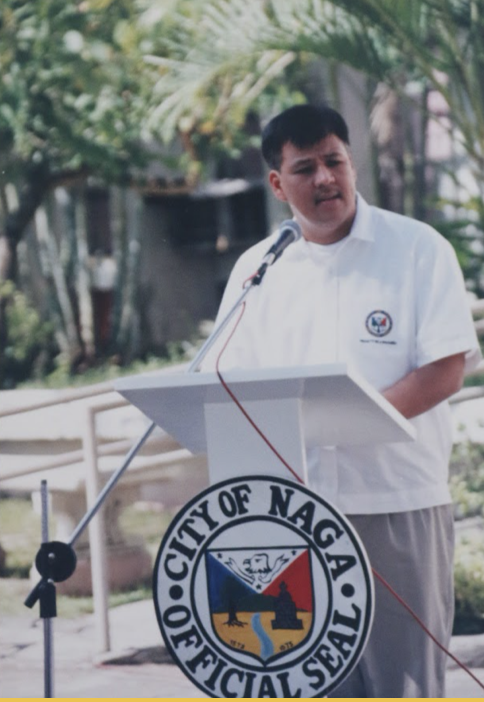
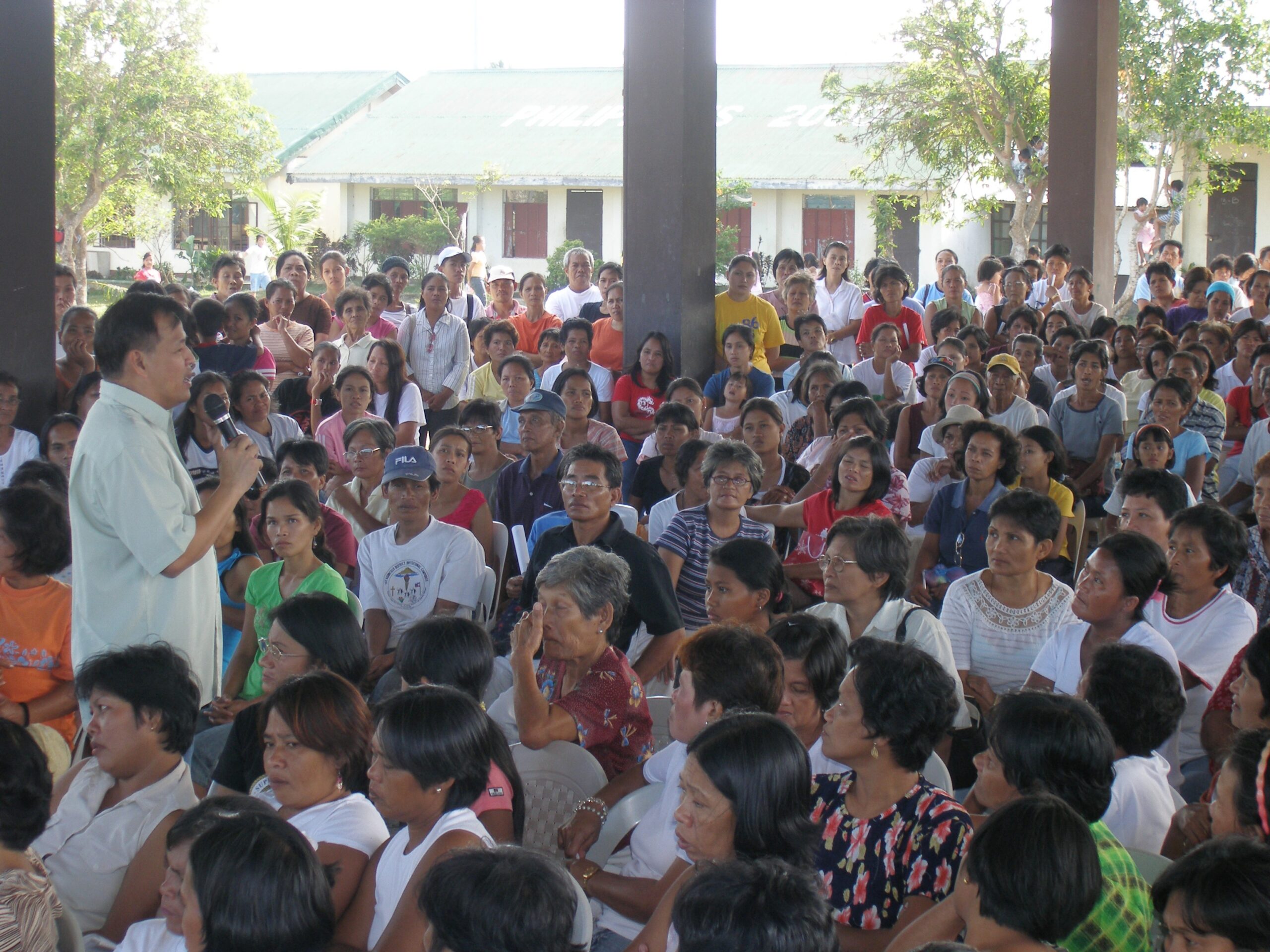
Reforms initiated by Jesse M. Robredo at the Naga City Hall
In just ten years since he became mayor, Naga City was transformed. There was a 96% increase in the number of commercial establishments, a 159% rise in the number of market stalls, the entry of 15 new banks, 195% more financial institutions, double the number of hotels, and all of these brought in new jobs for Naguenos.
Building and construction projects boomed around the city. There was a new subdivision development every year and new shopping malls. The average income of Nagueno families rose by 62%, which was higher by 34% than that of other Bicolanos living in other cities in the region.
In 2010, Jesse was appointed by President Benigno Aquino III as Secretary of the Interior and Local Government. Many of those who knew him during this period observed that he saw the job as a way of scaling up what he did in Naga City, such that all other cities and municipalities would become “a happy place”, as he called his hometown. Traditionally, the DILG was a post used for political purposes, but this was not to be under Jesse’s management. It was to be about improving performance, good governance, accountability, and real transparency.
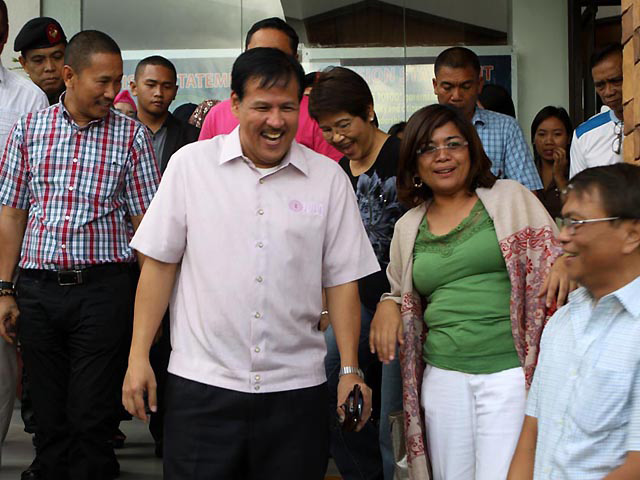
Reforms initiated by Jesse M. Robredo at the DILG
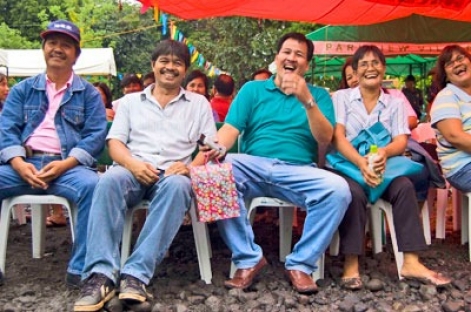
Jesse's values
Jesse is remembered for his leadership style. He was consistently vocal about transparency and accountability. In addition, he was most distinctively known for “Tsinelas Leadership,” which tells of his sincerity and humility as a leader. It can originate from his attitude as the type of leader who would walk the streets of his city in slippers and would show up to help during times of disaster, cleaning debris, and even helping with trafficking the roads. He was also known for his decisive management style, his moral authority, and his innovativeness. He was a leader easily respected by the people because he believed and lived out the value of leadership by example. He was able to encourage people's participation through the way he communicated and listened as a leader. Through his leadership, he brought about more opportunities to those he led, improved the level of efficiency of the people, and significantly raised the rate of progress of the community.
Awards and Recognitions
Untimely Passing
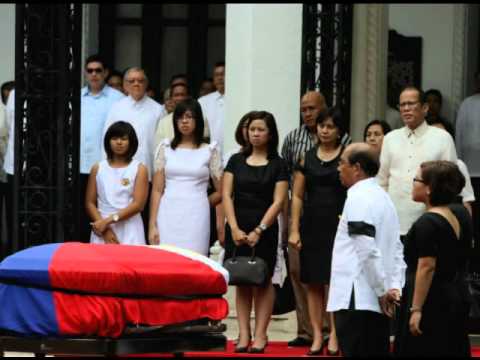
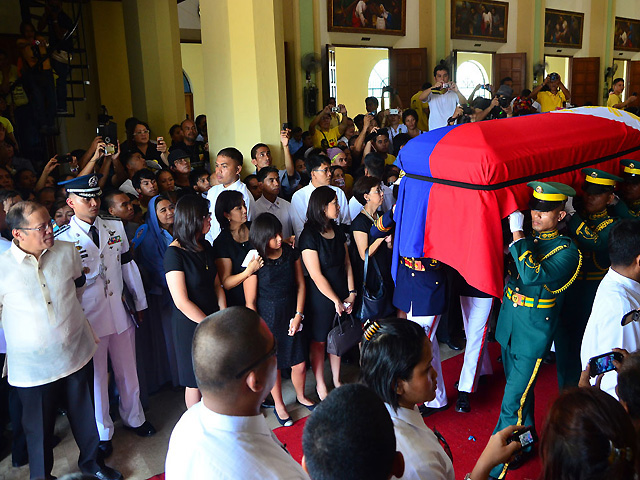
Jesse passed away on August 18, 2012, at 54 years old due to an unfortunate plane crash accident in Masbate Island. The plane was originally bound to fly to Naga City from Cebu City, and was found 3 days later on August 21, 2012. As a commemoration of this tragic loss, August 18 was declared “Jesse Robredo Day” to commemorate the honored and respected leader that he was. Furthermore, roads, buildings, events, awards, and the like were named after him due to the great legacy that he left as a dedicated man and public servant.